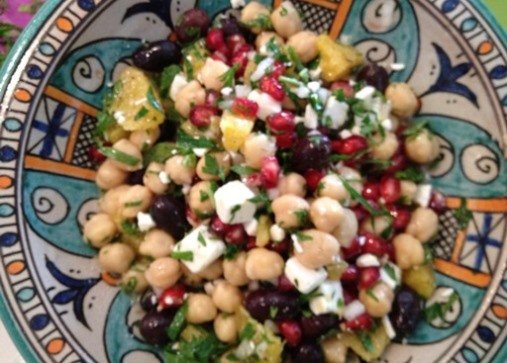




Last night, I found myself in a room full of people who were fairly certain they didn’t like Sherry. Time for Sherry Explained I thought!
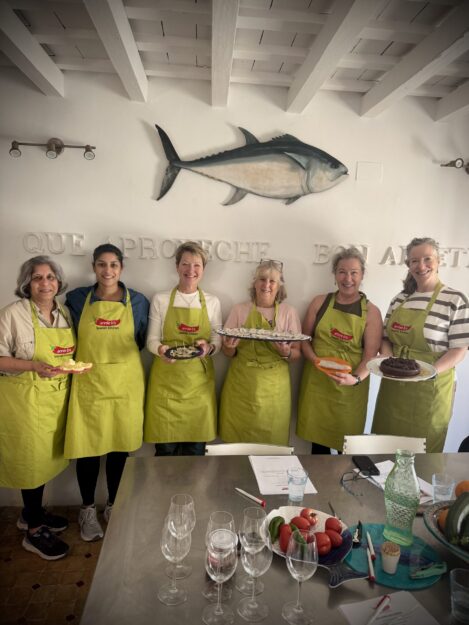
I was there at the invitation of my friend — the brilliant cook and recipe developer Milli Taylor — to introduce it to her guests at her latest sold-out Sobremesa culinary retreat.
The setting couldn’t have been more perfect: her family’s beautiful property just outside Málaga — El Rancheo del Ingles — all warm stone, long tables, beautiful gardens and that unmistakable sense of ease that comes when food, wine and people come together exactly as they should.
It’s only the second retreat she’s hosted — and the second time she’s asked me to present Sherry.
And I never tire of it.
Because there is a moment, without fail, when everything shifts.
A chilled Fino is poured.
There’s hesitation — then curiosity.
And then that first proper sip.
Surprise.
Delight.
A quiet reassessment of everything they thought they knew.
I’ve seen it happen hundreds of times over the years — and it’s the reason I care so deeply about sharing these wines. It’s also what prompted me to write this today.
Because the same questions came up again and again — as they always do.
So if you’ve ever wondered what Sherry really is, how to drink it, or why it inspires such devotion among those who know it well… here are the answers to the questions I’m most often asked.
1. What is Sherry wine?

Sherry is a fortified, aged white wine made in a very specific part of Andalusia in southern Spain — in the province of Cádiz, centred around the historical towns of Jerez de la Frontera, Sanlúcar de Barrameda and El Puerto de Santa María.
This area, known as the Sherry Triangle, is the only place in the world where true Sherry can be produced under the D.O. Jerez-Xérès-Sherry — just as Champagne can only come from the A.C. Champagne in France.
Read more about Sherry HERE
2. Is Sherry like Port?
No. Port is almost always sweet, while Sherry is mostly dry.
They are also made differently:
- Sherry is made from white grapes (primarily Palomino)
- Port is usually made from red grapes
- Sherry is fortified with neutral grape spirit
- Port is fortified with brandy
3. Is Sherry wine strong?
Typically 15–20% ABV — stronger than table wine, but still very much a wine.
4. Can you cook with Sherry instead of wine?
Sherry is one of the most rewarding wines to cook with.
It brings a deep, savoury, almost umami richness to dishes.
Try Fino in tomato sauces, or Amontillado in gravies and stews.
5. What is the best Sherry for beginners?
A chilled Fino or Manzanilla is the perfect place to start — ideally served with something simple like olives or almonds.
Without food, it can feel challenging at first. With food, it comes alive.
6. How is Sherry made?
Sherries are aged using the unique solera and criadera system, where barrels are arranged in layers and wines are blended fractionally from the higher criaderas in the stack, eventually reaching the solera for bottling.
Wine is drawn from the oldest barrels (the solera) for bottling, and younger wines are used to top them up — creating remarkable consistency and complexity.
7. What is Flor?
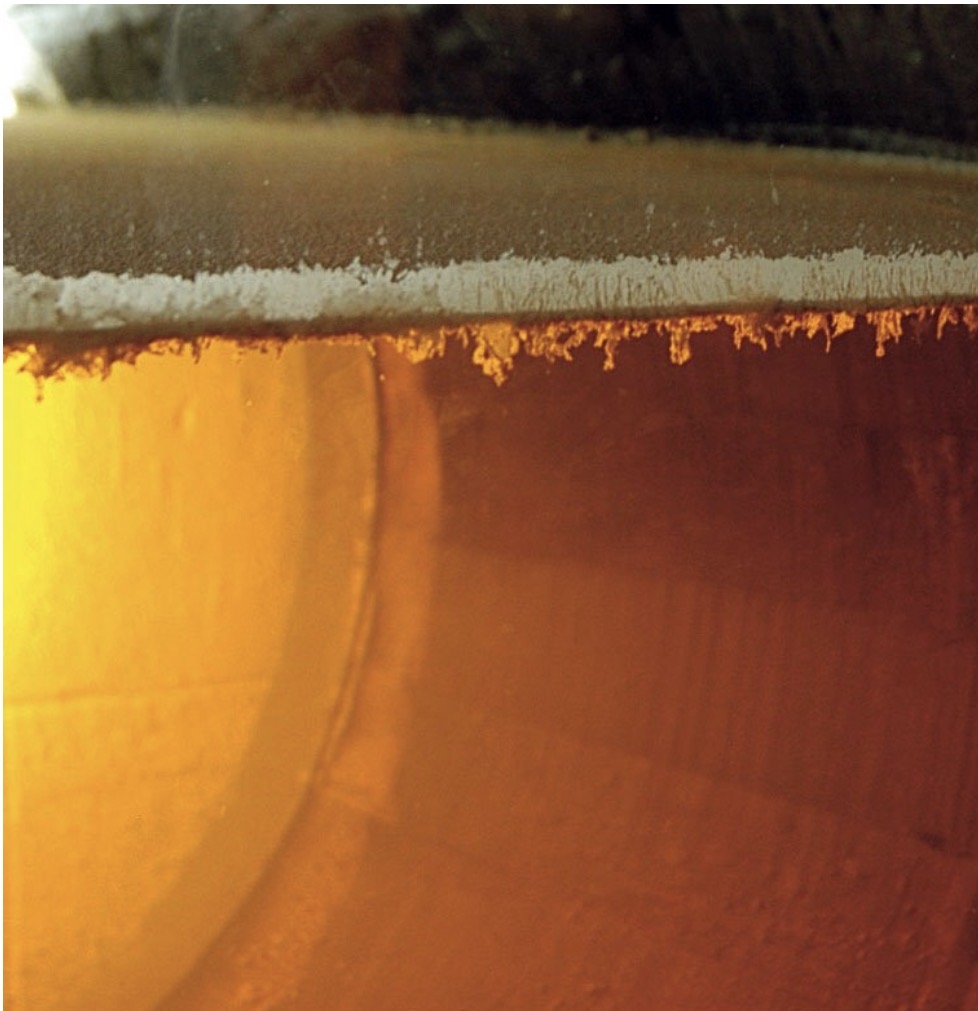
Flor is the natural layer of yeast that forms on the surface of Fino and Manzanilla during ageing.
It develops as a reaction to the Palomino wine, fortified up to precisely 15% ABV, meets the American oak casks.
This delicate veil sits on top of the Fino & Manzanilla in cask, protecting the wine from oxidation while feeding on the residual sugar in the wine.
The flor dies if it is not kept at 15% abv, if it is not regularly refreshed from younger Finos or Manzanillas from above or if it gets too hot in the bodega.
Think of it like an apple. If you remove the skin, the apple oxidizes and turns brown. Remove the Flor (by adding more alcohol) and the fino or manzanilla blow it turns brown. This is your Amontillado Sherry. All Amontillados start life as a Fino or Manzanilla.
8. Where does the name Sherry come from?
The word Sherry traces its roots back to the Moorish name for Jerez de la Frontera — Sherish.
Legend has it that Pirate Sir Francis Drake, during his raids on the Spanish coast, spotted the name on old maps. When he returned to England with barrels of the local wine for Elizabeth I, he used an anglicised version of the name.
Sherish became Sherry — and the name has remained ever since.
9. Is Sherry a wine or a spirit?
Sherry is a wine — but a fortified one.
A neutral grape spirit is added during production, and the level of fortification helps determine the style. Different levels of alcohol produce different types of Sherry.
10. Which grapes are used to make Sherry?
There are three principal grapes:
- Palomino – for all dry styles
- Pedro Ximénez (PX) – for sweet wines
- Moscatel – also used for sweet styles
Cream Sherry is typically a blend of dry and sweet wines.
11. Is Sherry sweet or dry?
This is the biggest misconception.
Around 80% of Sherry is dry.
Only a small proportion is sweet.
12. What are the different types of Sherry?
Sherry ranges from bone dry to intensely sweet:
- Fino – light, fresh, almondy, saline
- Manzanilla – even more delicate, only from coastal Sanlúcar
- Amontillado – deeper, nuttier, more complex
- Oloroso – rich, structured, powerful
- Palo Cortado – rare and elegant
- Cream – a blend of dry(Oloroso) and sweet (PX), normally 20% PX & 80% Oloroso
- Moscatel – naturally sweet, often with citrus notes
- Pedro Ximénez (PX) – intensely sweet, raisined and rich. Liquid Christmas pudding, as some say.
13. What does Sherry taste like?
It depends entirely on the style.
You might find:
- Fresh dough and almonds
- Chamomile and sea air
- Toasted hazelnuts and spice
- Dried fruits and caramel
But above all, great Sherry tastes of place.
14. How do you drink Sherry properly?
- Fino and Manzanilla should be freshly opened and well chilled
- Use a proper wine glass
- Pair it with food whenever possible
15. Which Sherries pair well with desserts?
PX, Moscatel and Cream Sherries are natural dessert wines — and also wonderful with certain cheeses.
16. Is Sherry made from red grapes?
No — it is made from white grapes.
Darker colours come from oxidation or from sun-drying the grapes in sweet styles.
17. How long does Sherry last after opening?
- Fino & Manzanilla: a few days. Without the layer of flor to protect them in the bottle, they will change.
- Amontillado, Oloroso, Palo Cortado: several weeks
- PX, Cream, Moscatel: months
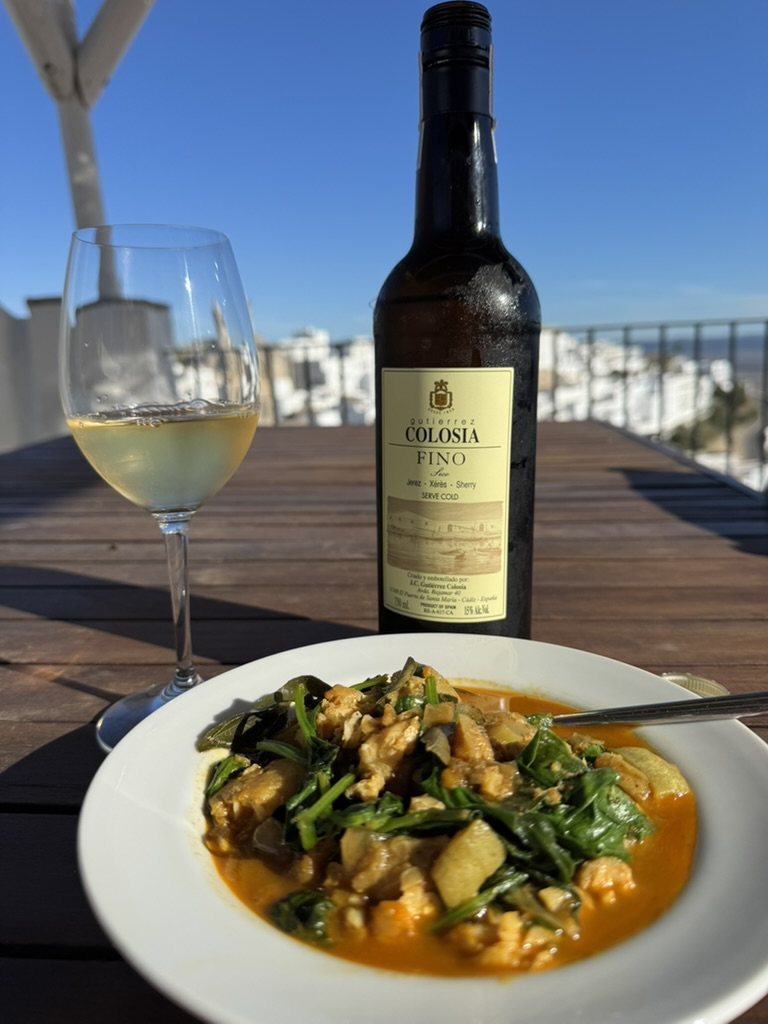
18. What food goes with Sherry?
Sherry is one of the most food-friendly wines in the world.
A simple rule:
- If it swims → Fino or Manzanilla
- If it flies → Amontillado
- If it runs → Oloroso
(You’ll get away with that every time.)
Pictured right is my delicious Andalucian Fish Stew, with the addition of spinach.
Get the recipe HERE
19. Is Sherry only for old people?
Absolutely not.
It might even help you live longer.
How often do we read interviews with centenarians who, when asked the secret to their longevity, smile and say, “A daily glass of Sherry.”
Today, Sherry is being rediscovered by sommeliers, mixologists, chefs and wine lovers around the world.
20. Why does Sherry taste different in Jerez?
Because everything about it is rooted in place.
In Jerez de la Frontera, Sherry isn’t just poured — it’s lived.
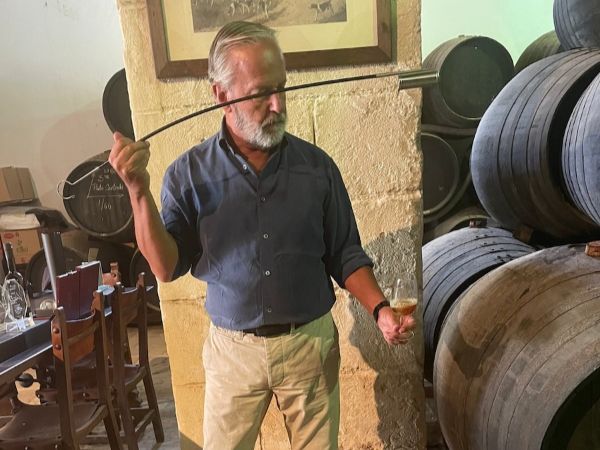
Drawn from cask.
Shared in tabancos.
Paired instinctively with food.
Quite simply…
It belongs there.
A final thought
Almost everyone arrives thinking they know Sherry.
Almost everyone leaves surprised.
If this has sparked your curiosity, this is exactly what I explore on my small-group food and wine journeys to Jerez de la Frontera — an insider experience designed to show you just how extraordinary this region really is.
Places are limited, and each trip is carefully curated.

Join me in Andalucia on one of my Sherry Experiences – especially in 2026 when Jerez is the Gourmet Capital of Spain